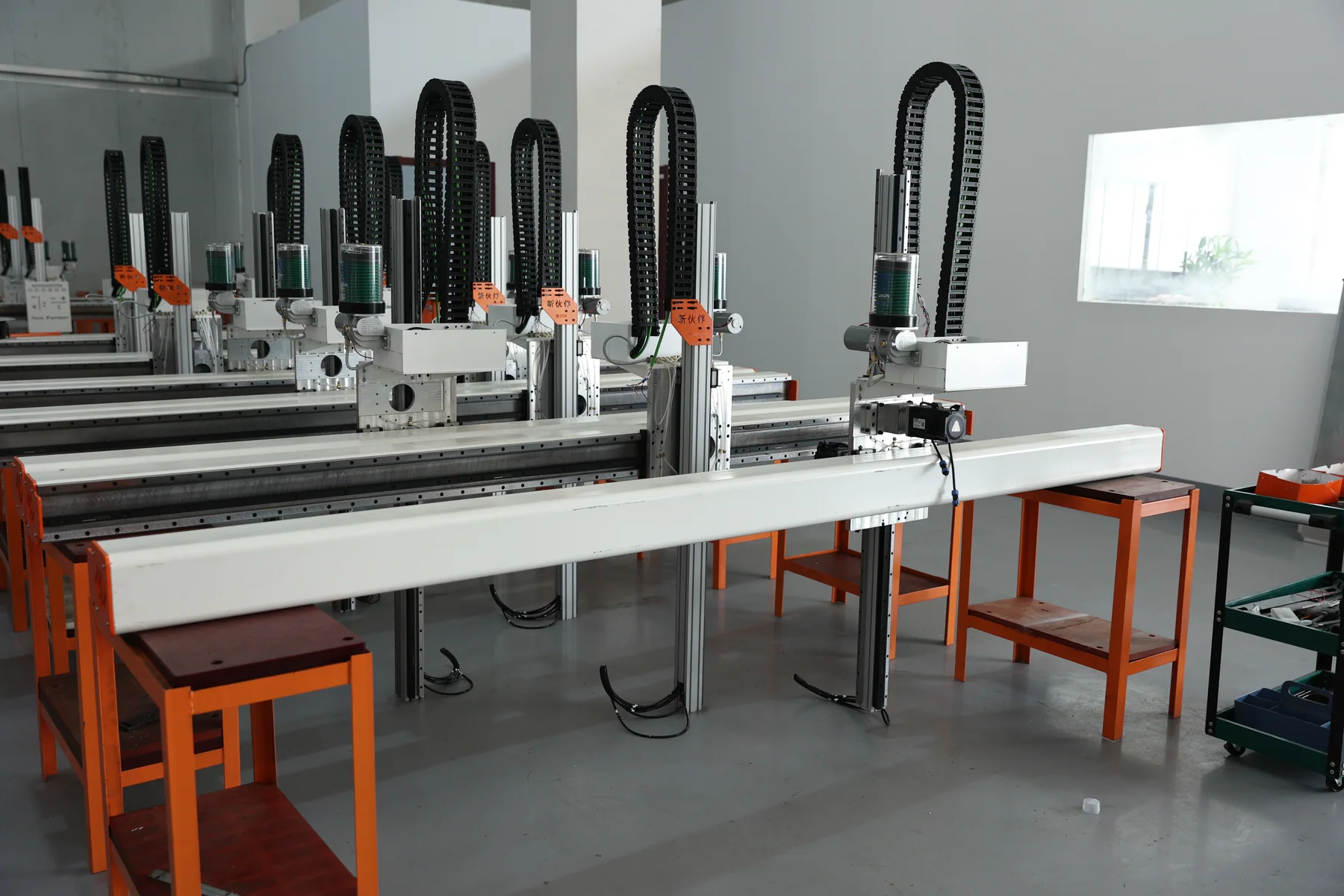
Business Lines
Eleven business lines, each with its own boundary. Enter from the problem you have, not from the machine model you are looking for.
Eleven business lines, divided by the production problem
01 – 03 address loading and unloading on specific machines; 04 – 08 address the steps around them — feeding, gripping, inspection; 09 – 11 address workshop-level planning, data and the prerequisite retrofits.
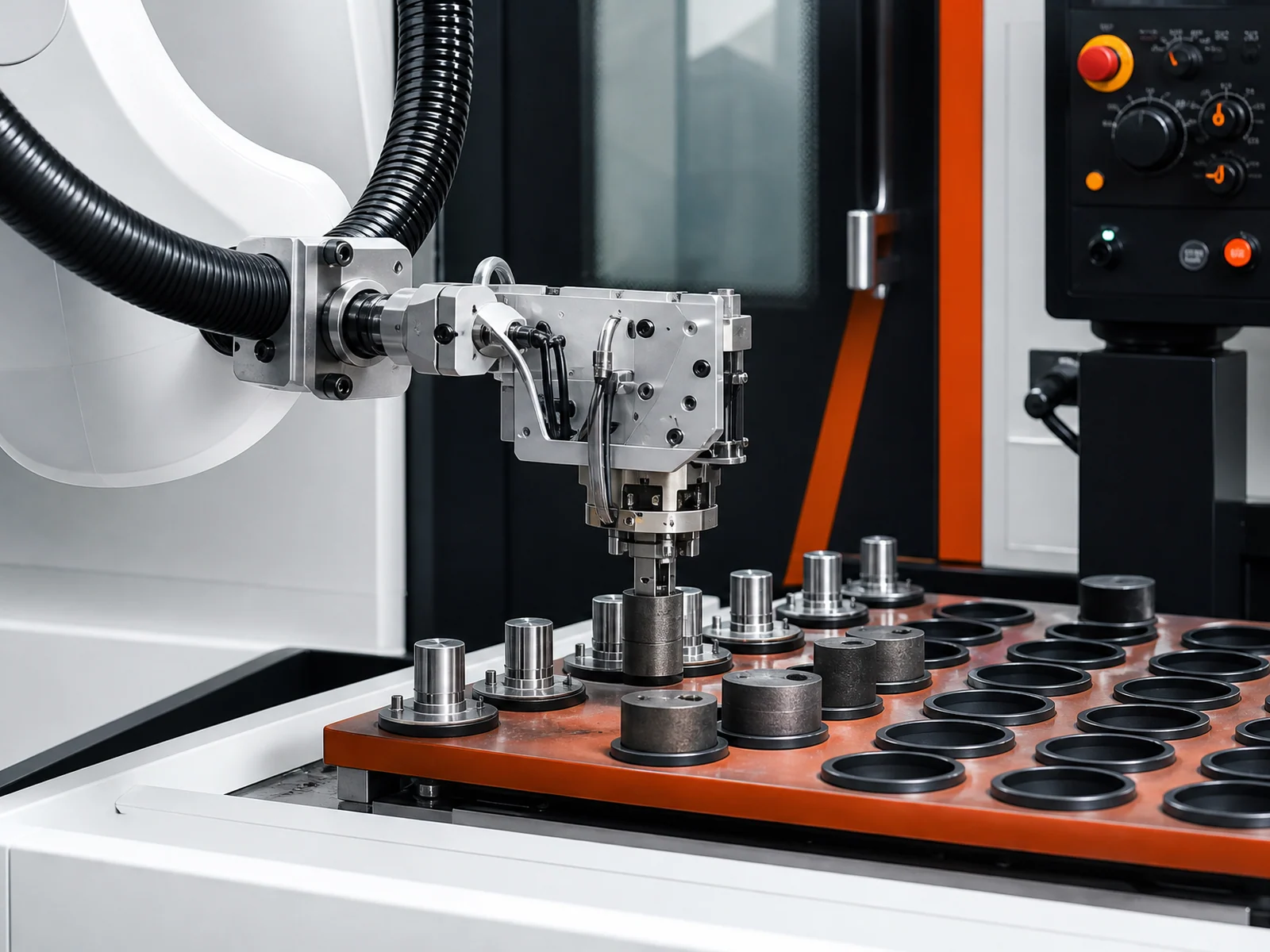
CNC Lathe Loading & Unloading
Replacing manual loading and unloading on lathes with a gantry robot or a six-axis robot, so one operator runs several machines and the lathes keep cutting through unattended hours.
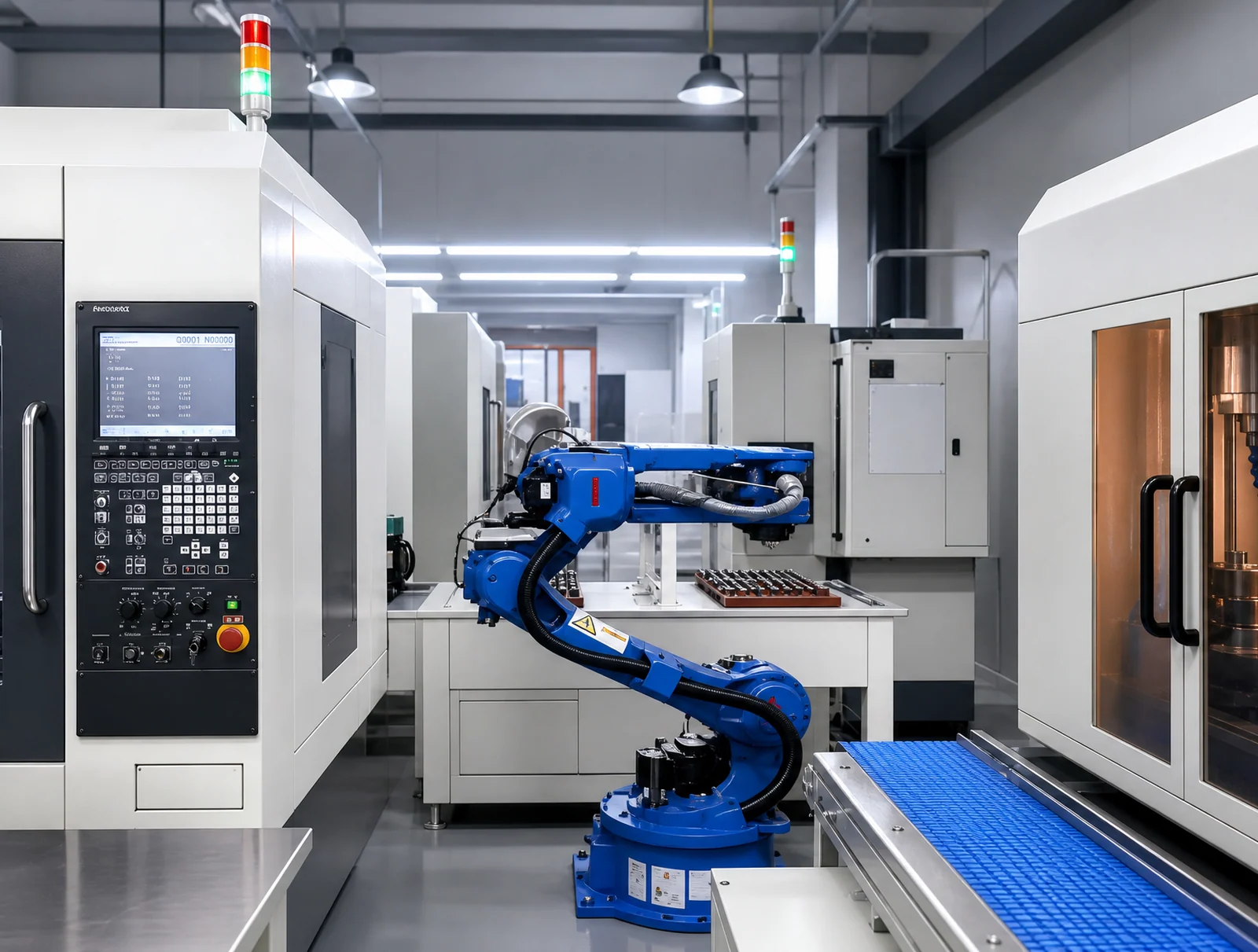
CNC Machining Center Automation
Machining centers running without an operator at the clamping point: blank pick-up, automatic clamping, multi-face machining and part removal joined into one sequence.
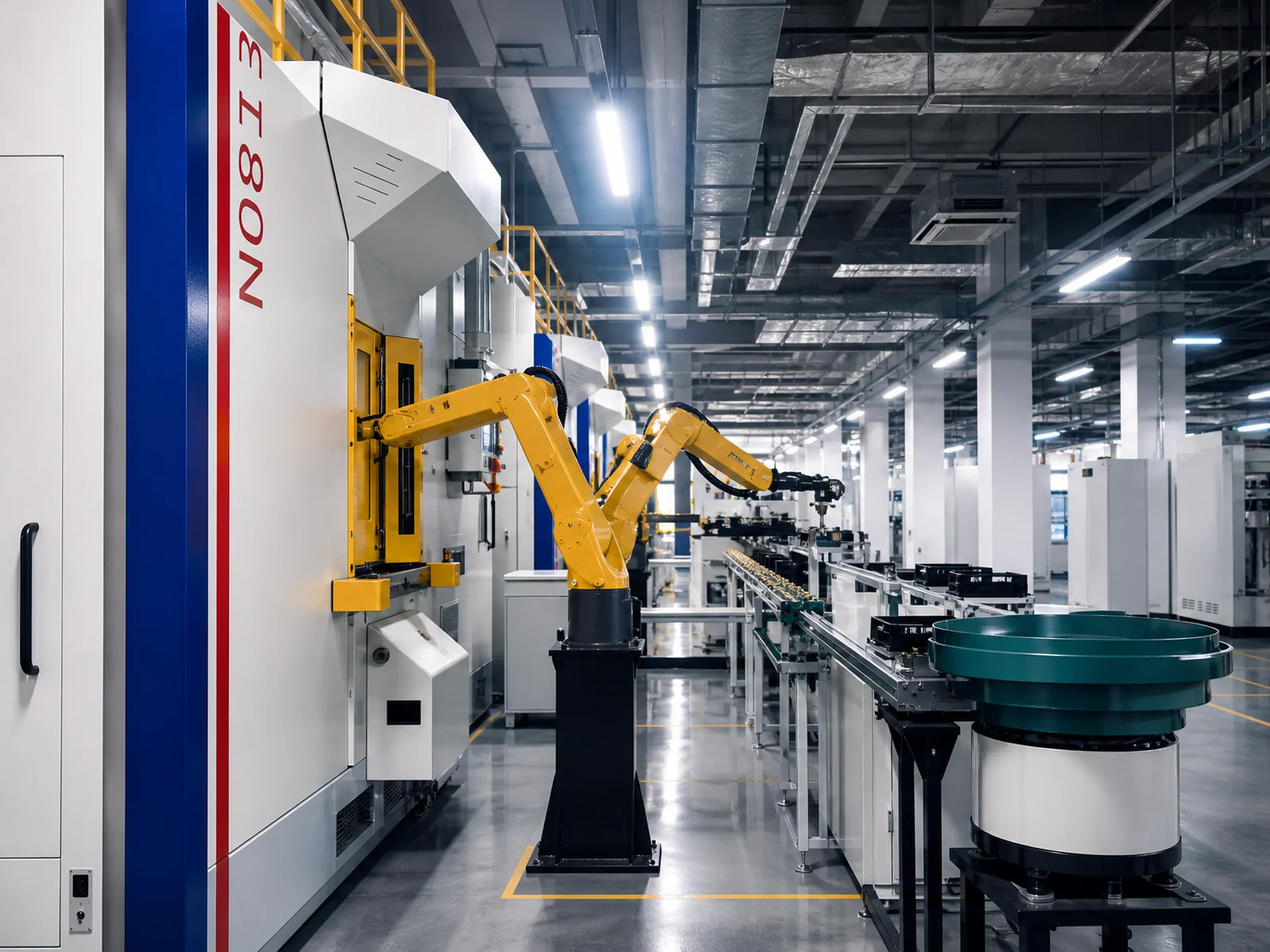
Drill & Tap Center Automation
Drill & tap centers run short cycles and large batches, which is what makes one robot serving several machines work: the repetitive load and unload goes to the machine, the operator only refills and patrols.
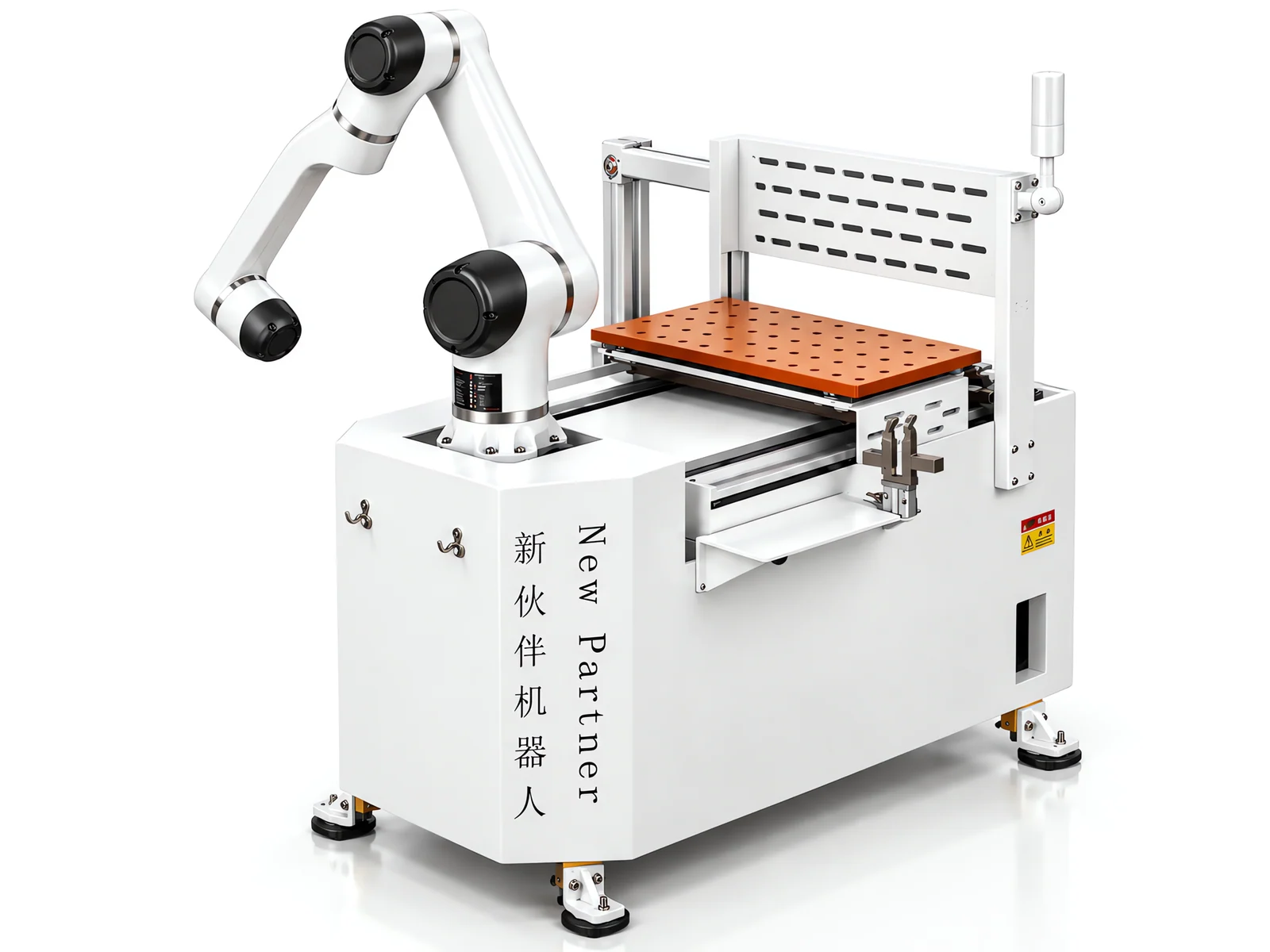
Material Storage & Feeding
The bottleneck in automation is usually not the robot but the parts: storage capacity decides how long one refill keeps production running, and how much labor the tending system really releases.
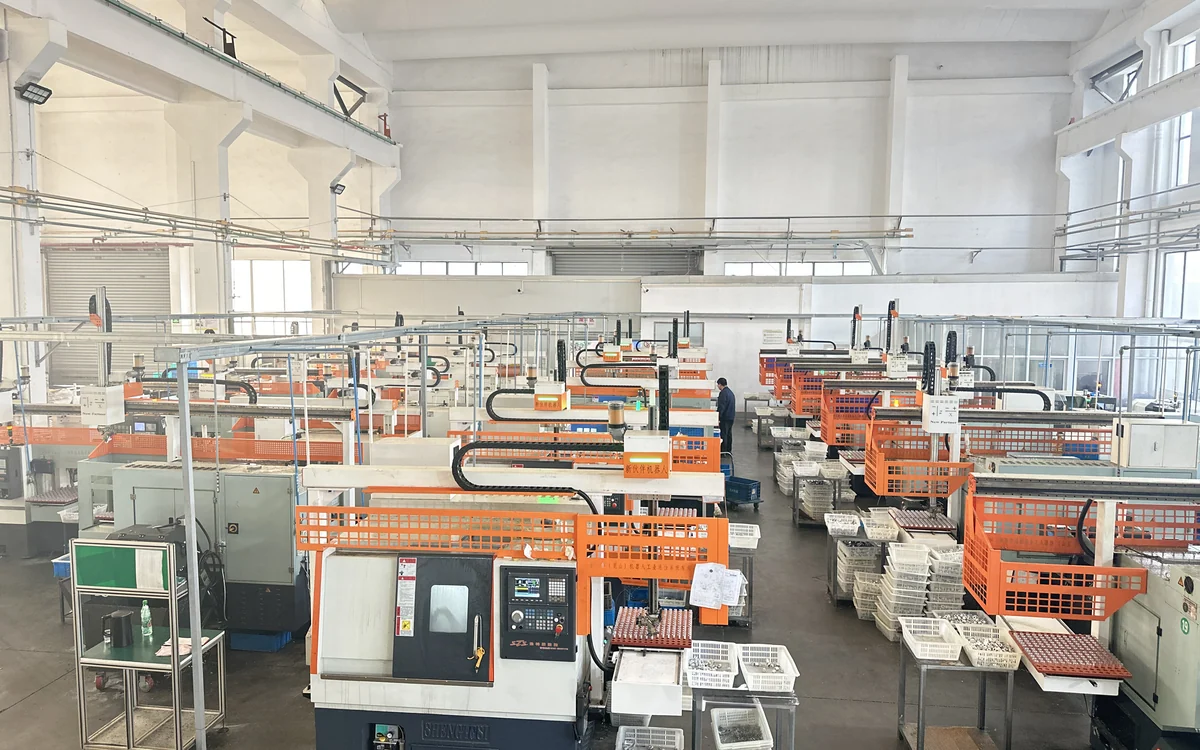
Robot & Gantry Loading
Two ways to do the same job: robots are flexible and carry more, gantry robots are stable and take little floor space. Which one fits depends on machine layout and workpieces.
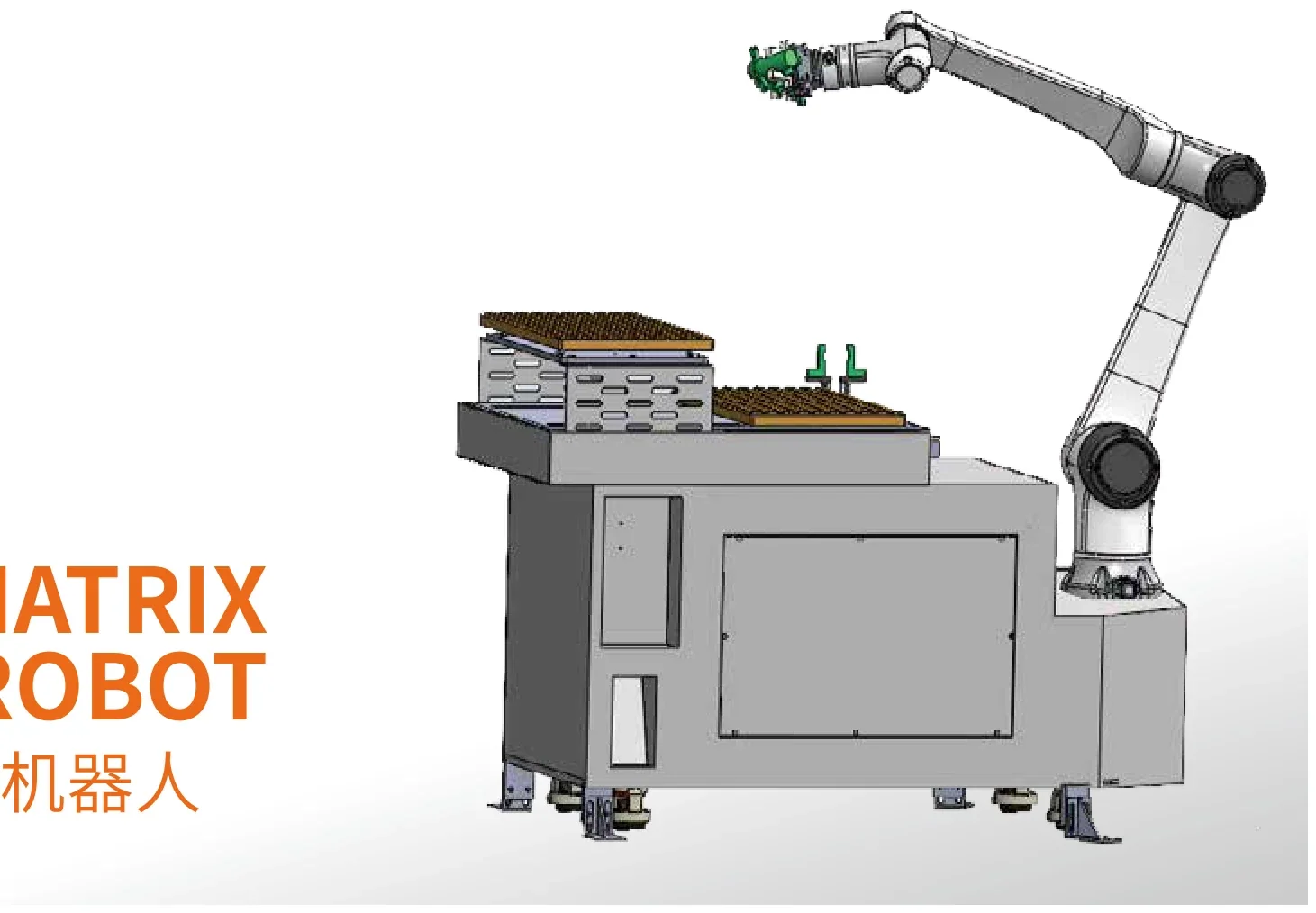
Vision-Guided Flexible Feeding
Parts jumbled in a bin are found and picked by the camera and the robot. What disappears is the step that costs the most labor: placing every part by hand.
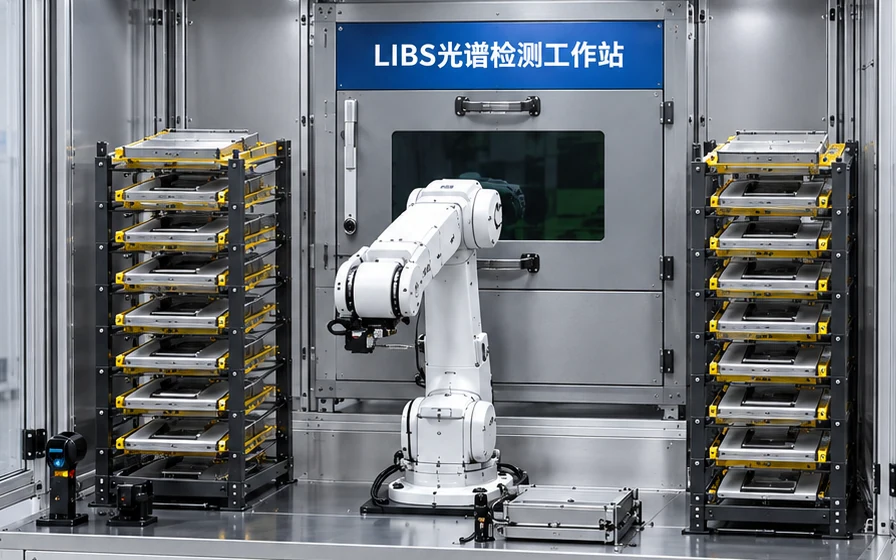
Unmanned Inspection Workstation
Load the samples at the end of the shift, read the results at the start of the next one. Batch inspection goes from one part at a time to one night.
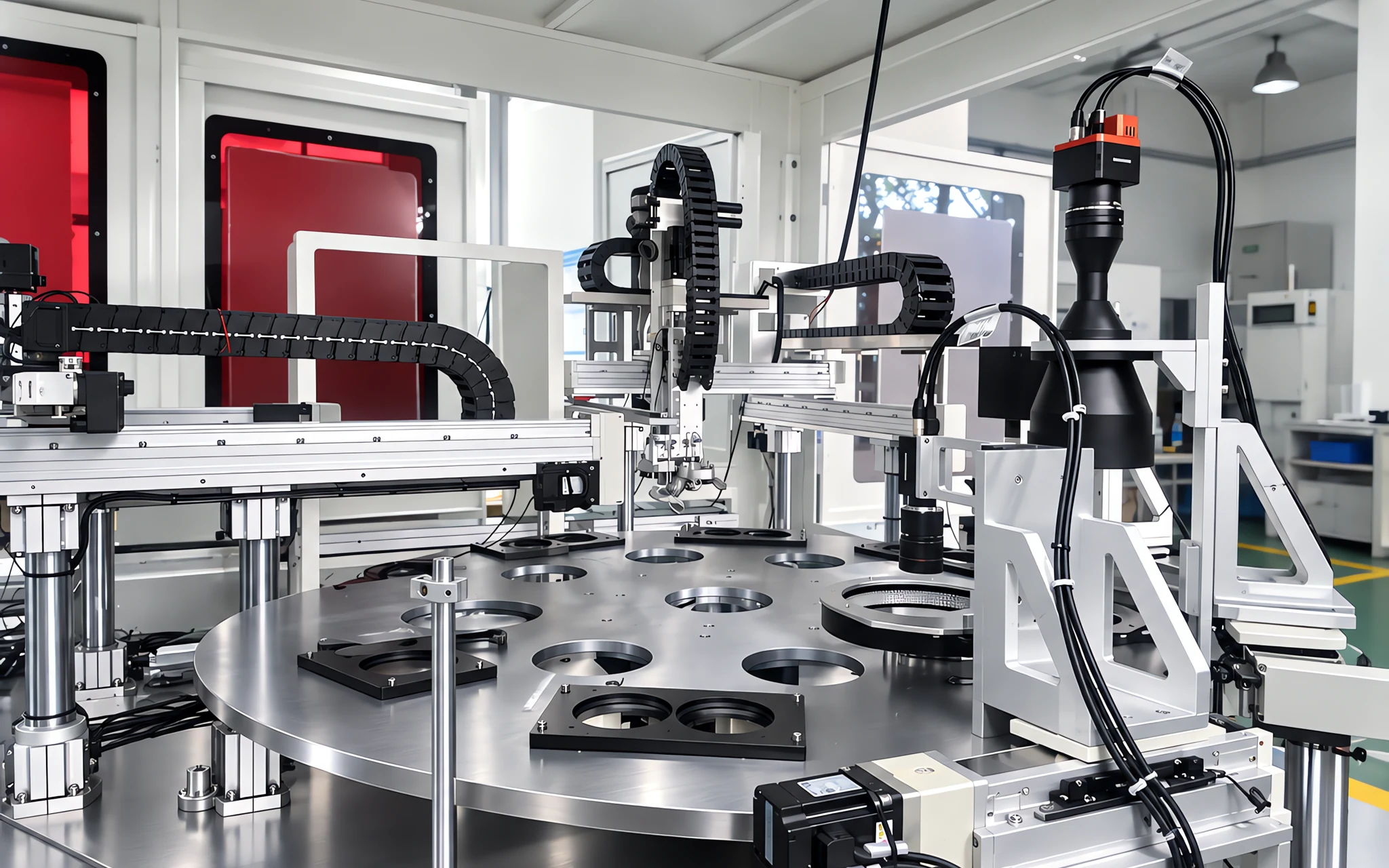
Vision Inspection Systems
Inspection built into the loading flow: the part is measured as it comes off the machine, so rejects never reach the next operation.
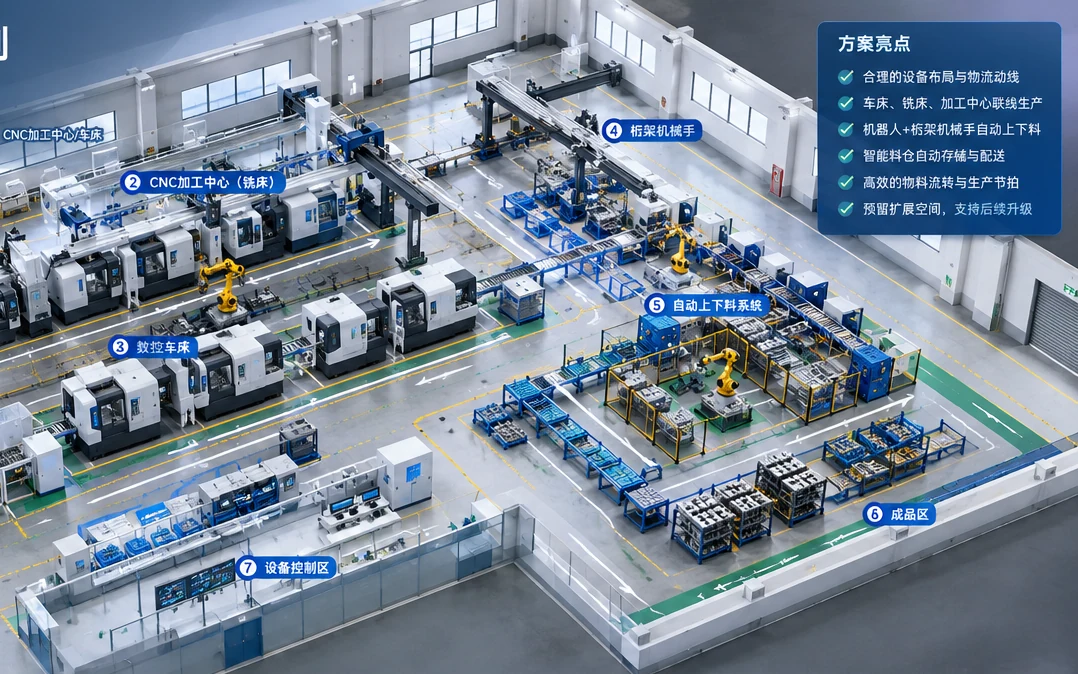
Plant-Wide Automation & Retrofits
Not buying a few robots, but re-planning the machining workshop along three lines: the flow of parts, the flow of machines and the flow of data.
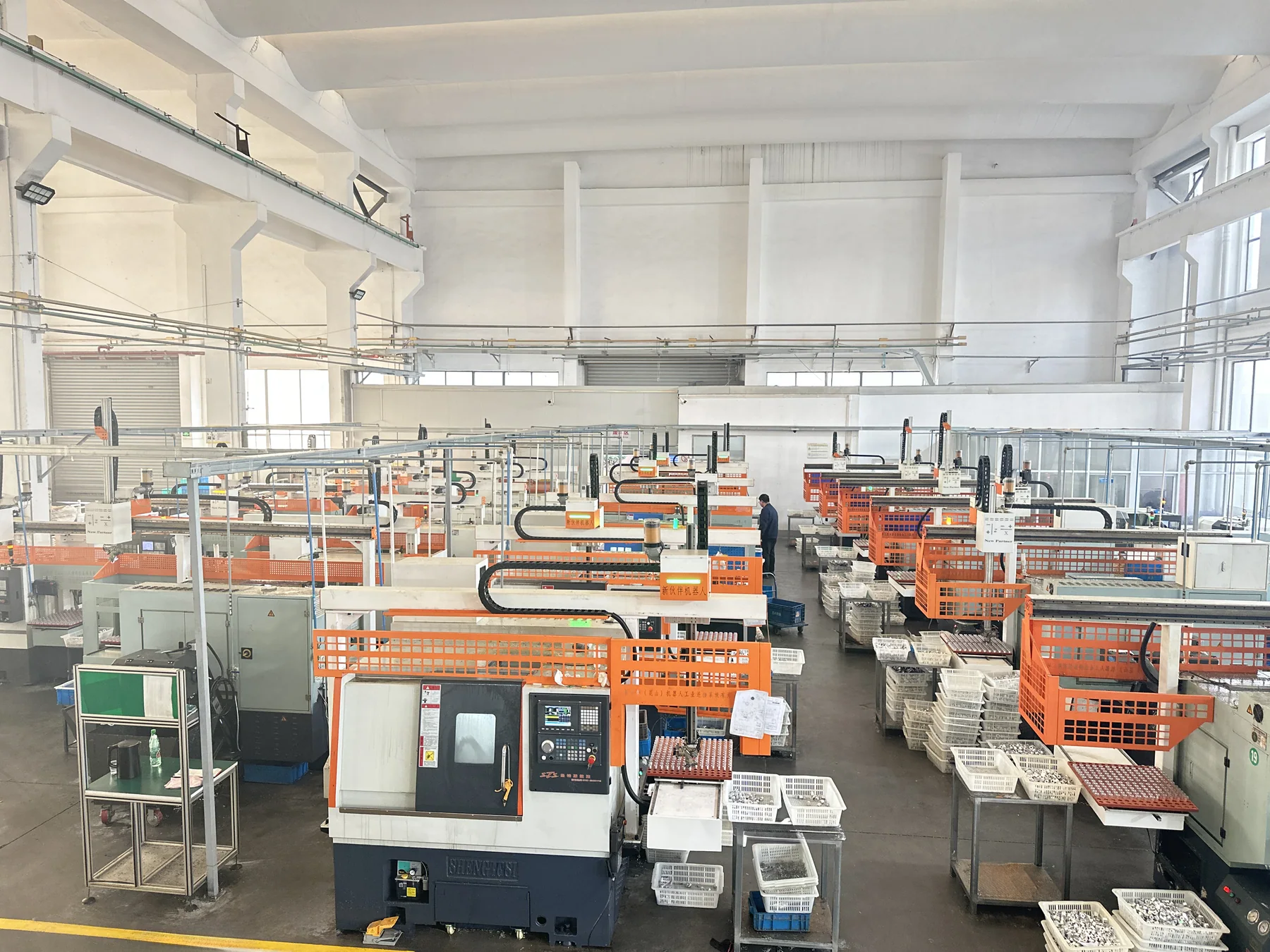
MES & Production Data
Automated equipment produces data; MES turns that data into production information that can be managed. An MES without a data source is only a spreadsheet.
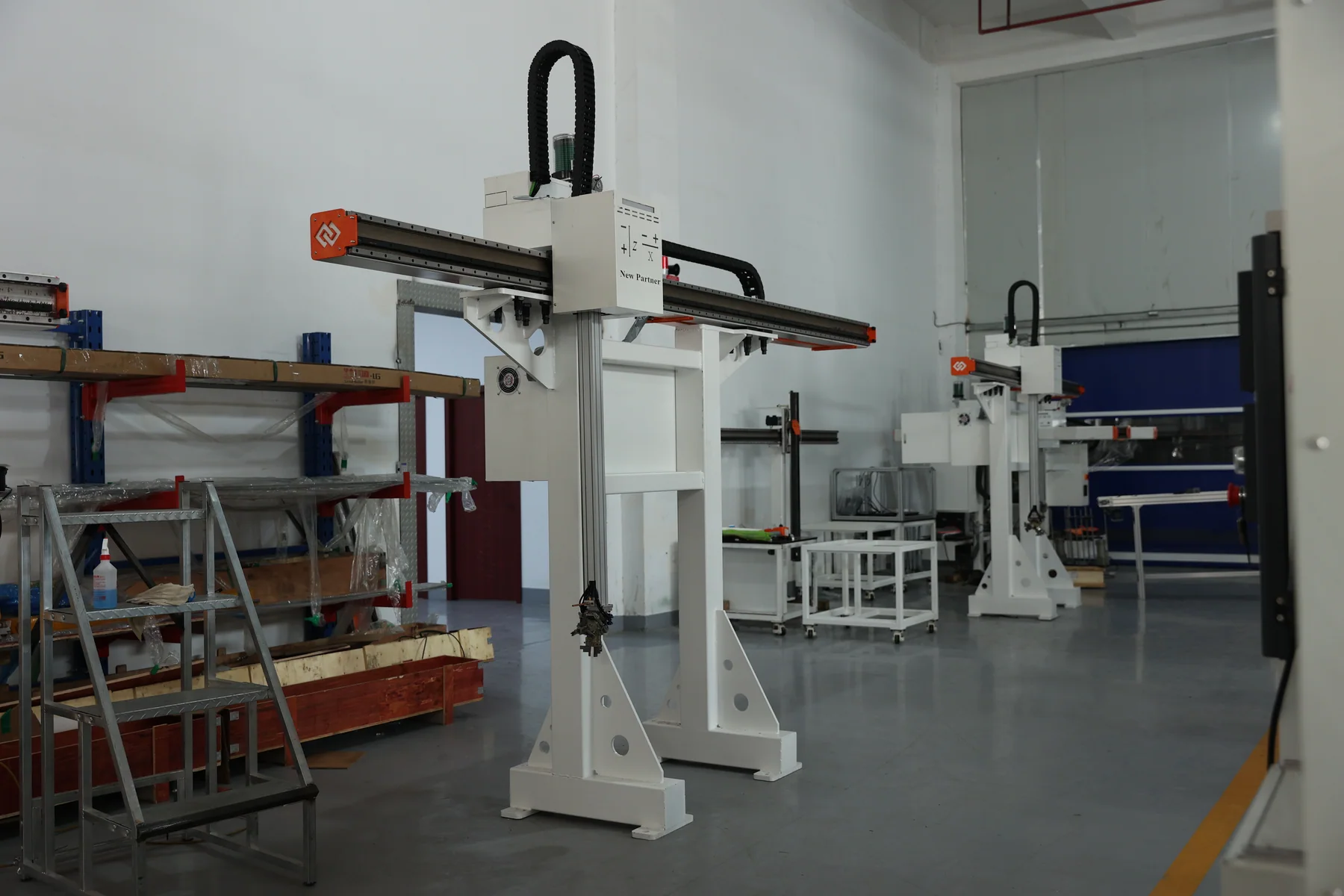
Machine Retrofits & Upgrades
Machine retrofit is not an option on the side — it is the precondition for automation. If the door cannot open and no signal can be read, no robot is fast enough.
Not sure which line you are in?
Most customers' problems fall on two or three lines at once. Start from the question below.
Not sure which business line to start from?
Most projects do not start from a machine model. They start from a concrete problem: who moves the part, what the part is, one machine or several, and where the cycle stalls. Describe those four and the business line narrows to one or two.
Send us the workpiece and machine information and we will point to the relevant line and the way of working, instead of leading with equipment.
Send requirements See delivered projectsSend us your workpiece and machine details
Share drawings or photos of the part, the machine make and model, your current daily output and how many operators run it. We reply with a feasibility assessment, the system concept and an implementation recommendation. The assessment is free of charge.