Plant-Wide CNC Automation Upgrade and Planning | New Partner
Plant-wide CNC automation upgrade: part flow review, machine fit assessment, logistics and buffer planning, phased cells and MES data integration.
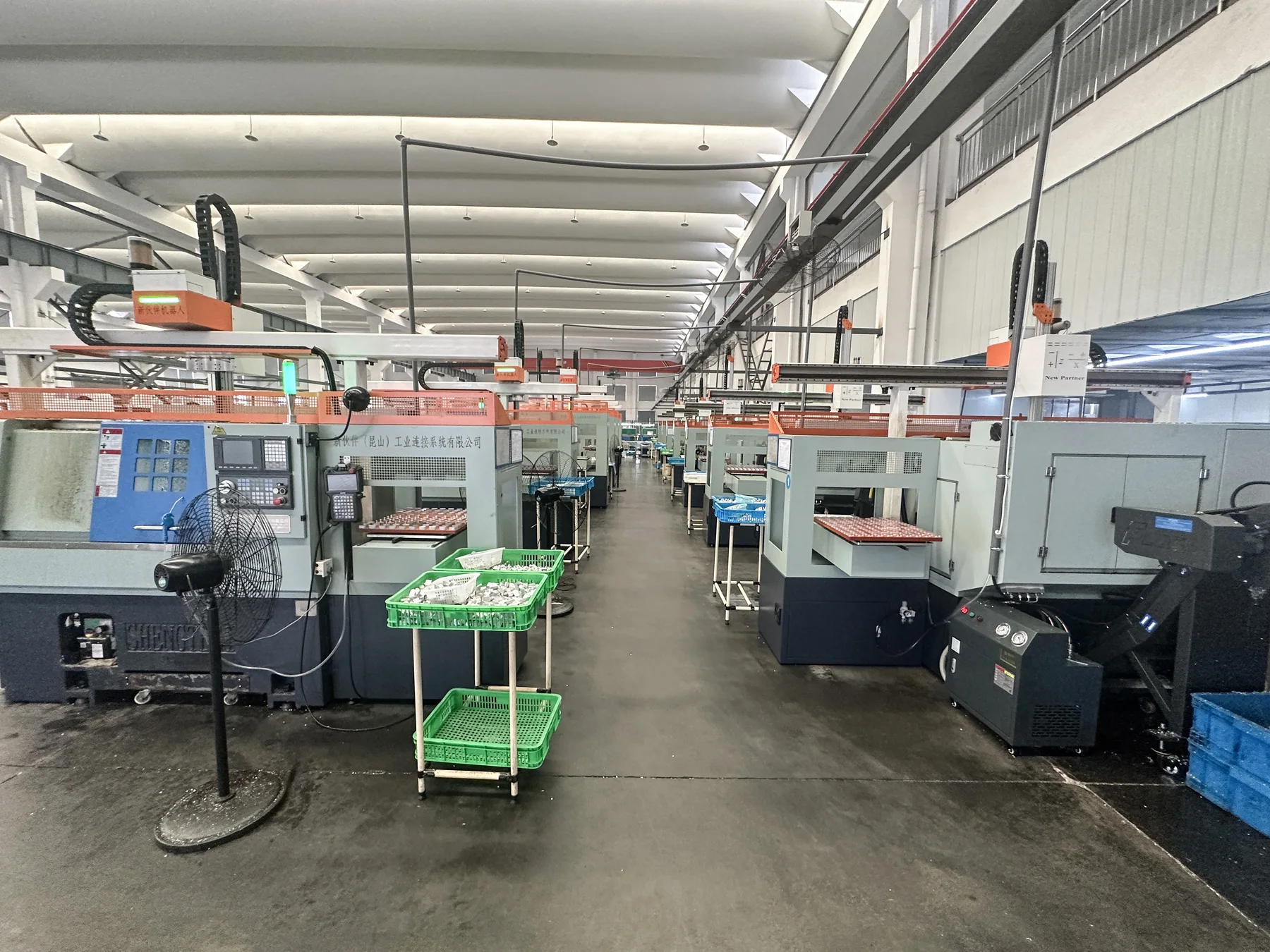
Plant-Wide Automation Upgrade
Re-planning the whole machining workshop around the flow of parts, machines and data.
Plant-Wide Automation Upgrade, in short
In four steps: map the part flow (which operations, which machine, what cycle, how much buffer), assess machine fit one machine at a time (door structure, loading window, table space, fixture interface, signal exchange capability), plan logistics and buffering between operations, and implement in phases — single-machine pilot, cells, logistics between cells, central feeding, inspection and sorting, then data and MES. Implementation runs alongside existing production, so the scope and duration of any stoppage are kept to a minimum.
Scope and typical configuration
Step 1 · Part flow
Which operations this part goes through, which machine runs each operation, what the cycle is at each step, and how much buffer is needed between operations.
Step 2 · Machine fit assessment
Machine by machine: door structure, loading window, table space, fixture interface and signal exchange capability.
Step 3 · Logistics and buffering
How work in process moves between operations, where it is buffered and who moves it — this step decides the real output of the plant.
Step 4 · Phased implementation
By cell or by operation: single-machine pilot → cells → logistics between cells → central feeding → inspection and sorting → data and MES.
Service process
Pre-purchase analysis → proposal → equipment purchase → delivery → installation and commissioning → technical support.
Solution in pictures
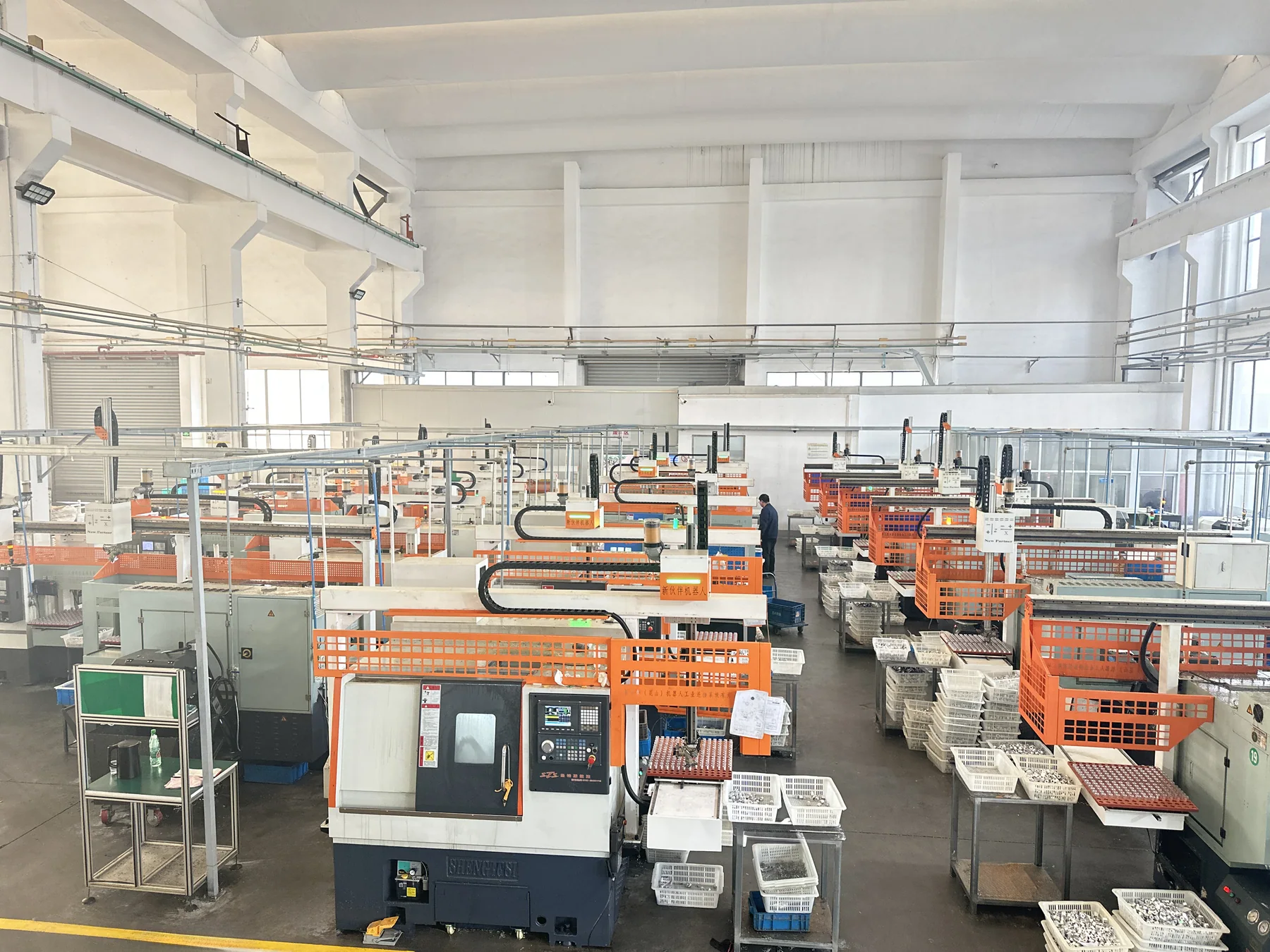
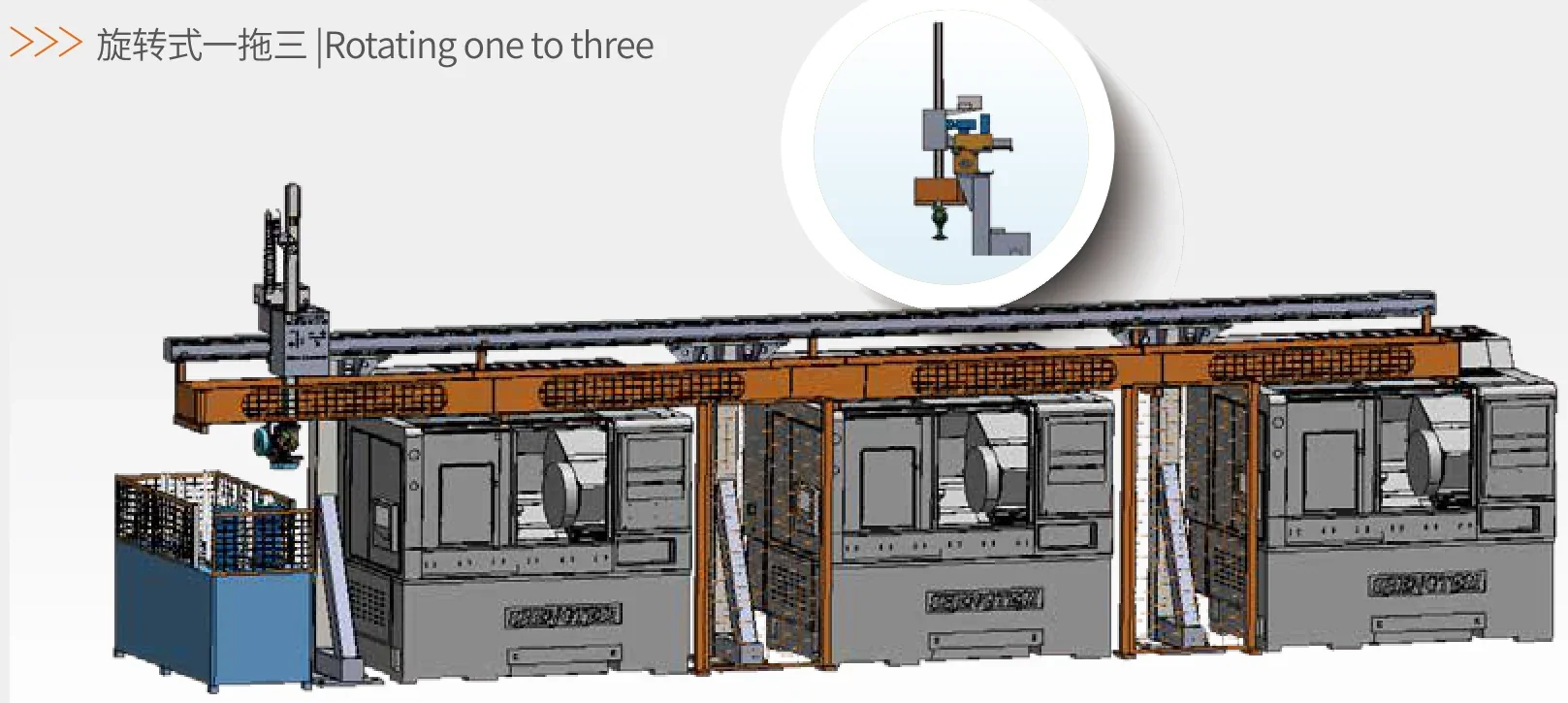
Frequently asked questions
Does a plant-wide upgrade stop production?
The usual approach is phased implementation by cell or by operation, running alongside existing production, so the scope and duration of any stoppage are kept as small as possible.
Where should we start?
With the pre-purchase analysis: map the part flow and the state of the machines, then pick the section with the clearest bottleneck and the most direct return as the first phase.
Can mixed machine brands be included?
Yes, but the interface and the retrofit boundary have to be assessed machine by machine; the differences in signal interfaces between brands and machine ages are the main part of the work.
Related business lines and solutions
This configuration is usually used together with the following business lines.
Send the machine brand/model, part drawing or photo, blank and finished-part handling, single or multi-machine layout, target cycle and acceptance requirements.
Request an assessment Call +86 150 5020 2625