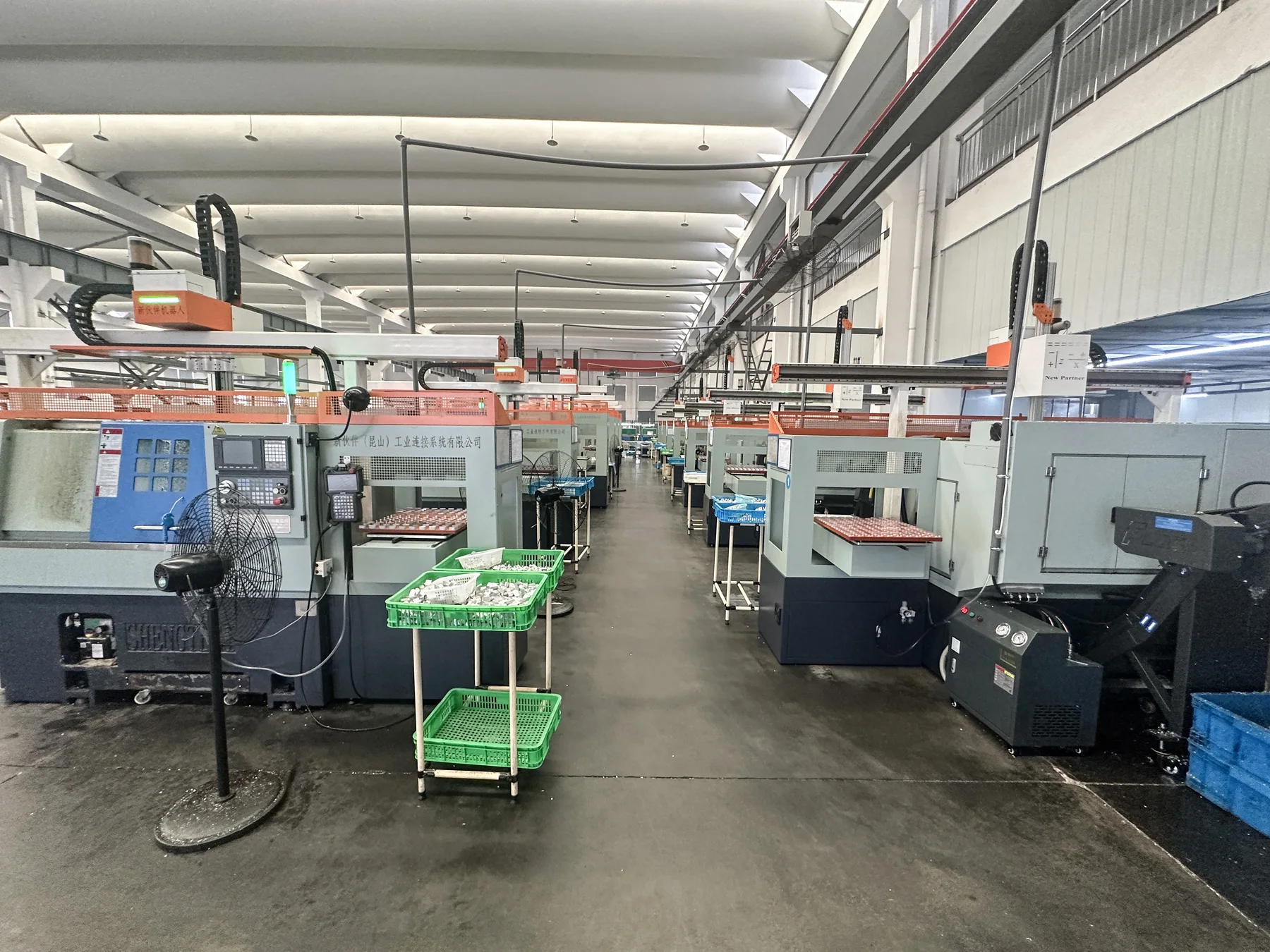
Automation Solutions
Ten solutions, organized by unit form: from a single-machine cell to a plant-wide upgrade across several lines.
Ten solution forms
The same production problem can be met with different unit forms. Start with the form, then with the details.
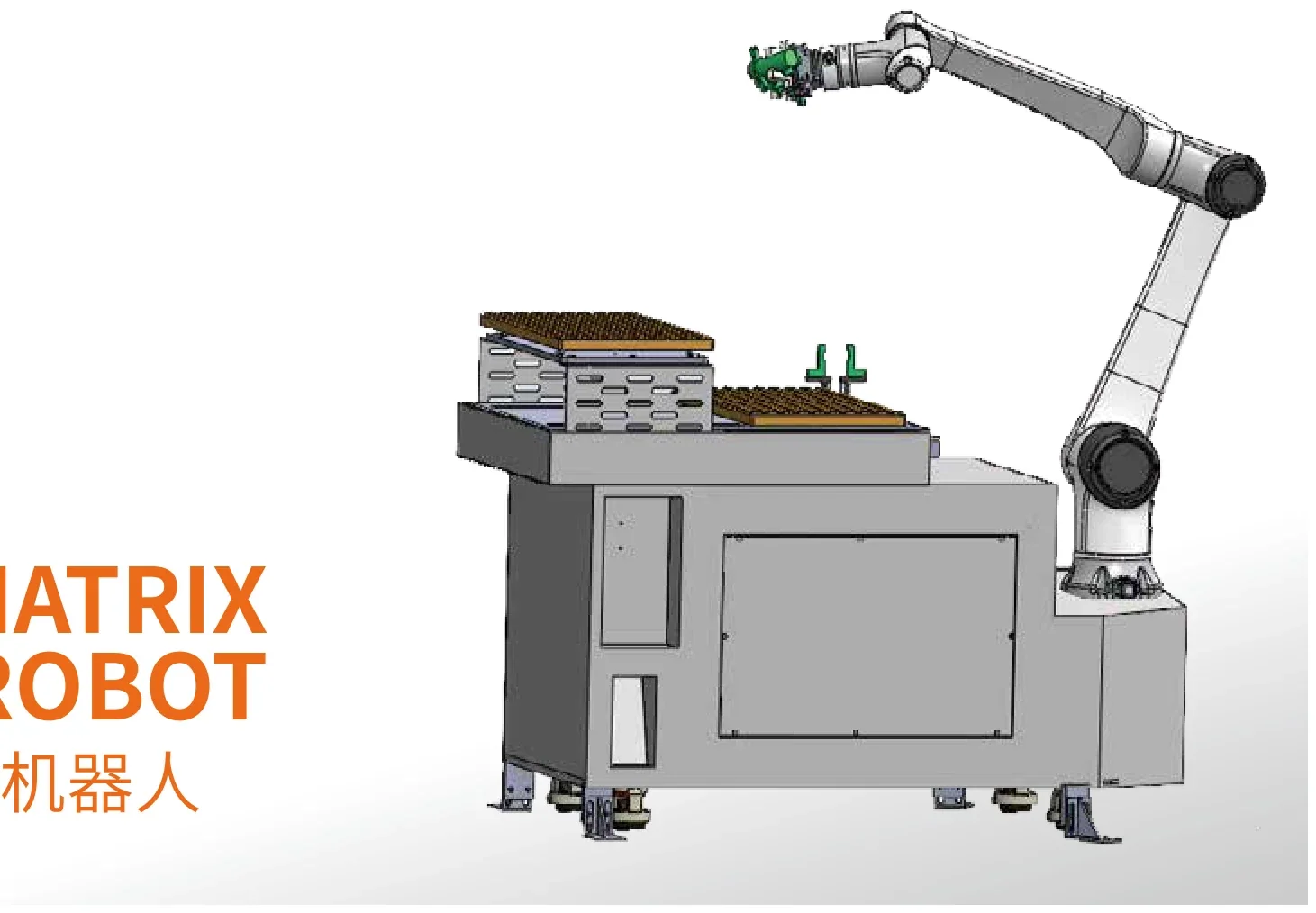
Single Machine Loading
One machine, one loading unit. The smallest and fastest step in an automation project.
View solution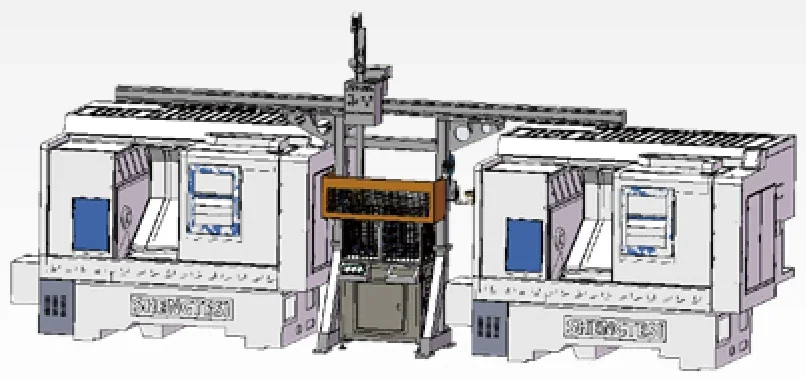
One Robot, Two Machines
Two machines served by one unit. Cost per machine is clearly lower than two single-machine cells.
View solution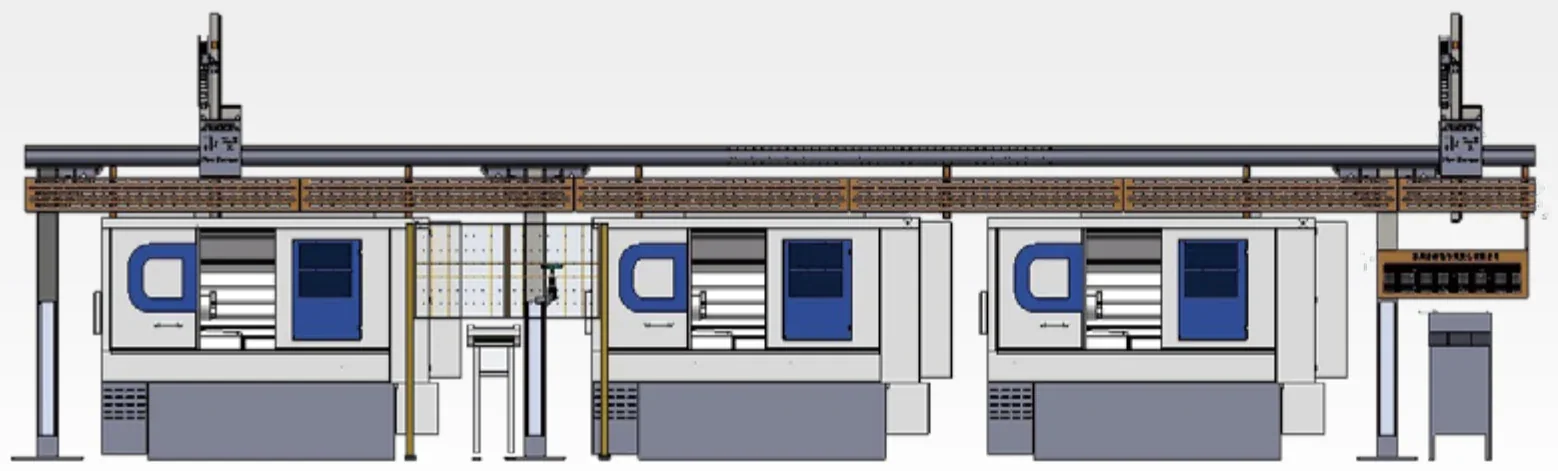
Multi-Machine Tending Line
With three machines or more along one line, the travel of a gantry robot becomes the advantage.
View solutionRobot Machine-Tending Cell
Robot, feeding and guarding assembled into one cell that can be deployed as a unit.
View solution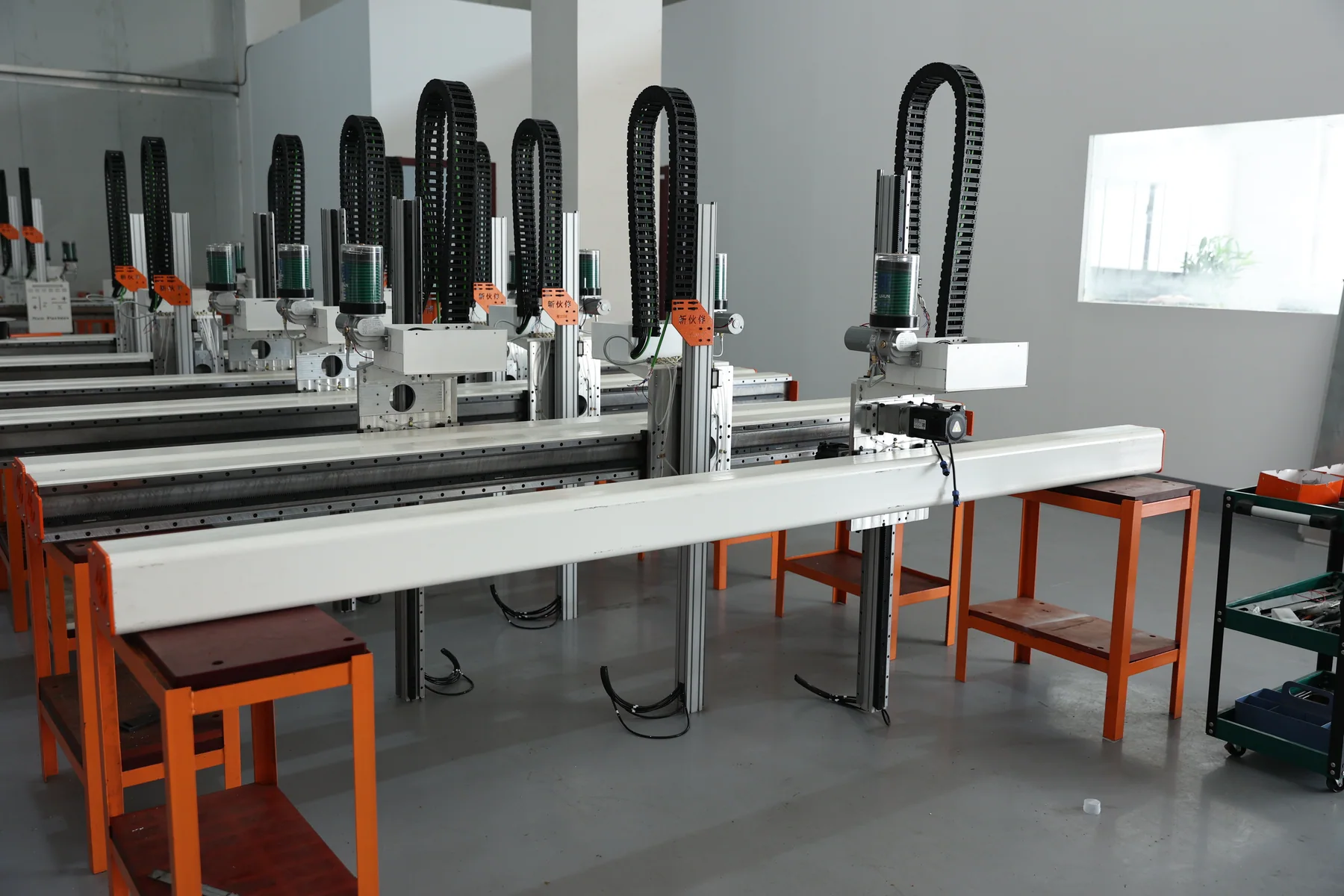
Gantry Loading Cell
A beam above the machines: little floor space, a stable structure, best for machines in a row.
View solution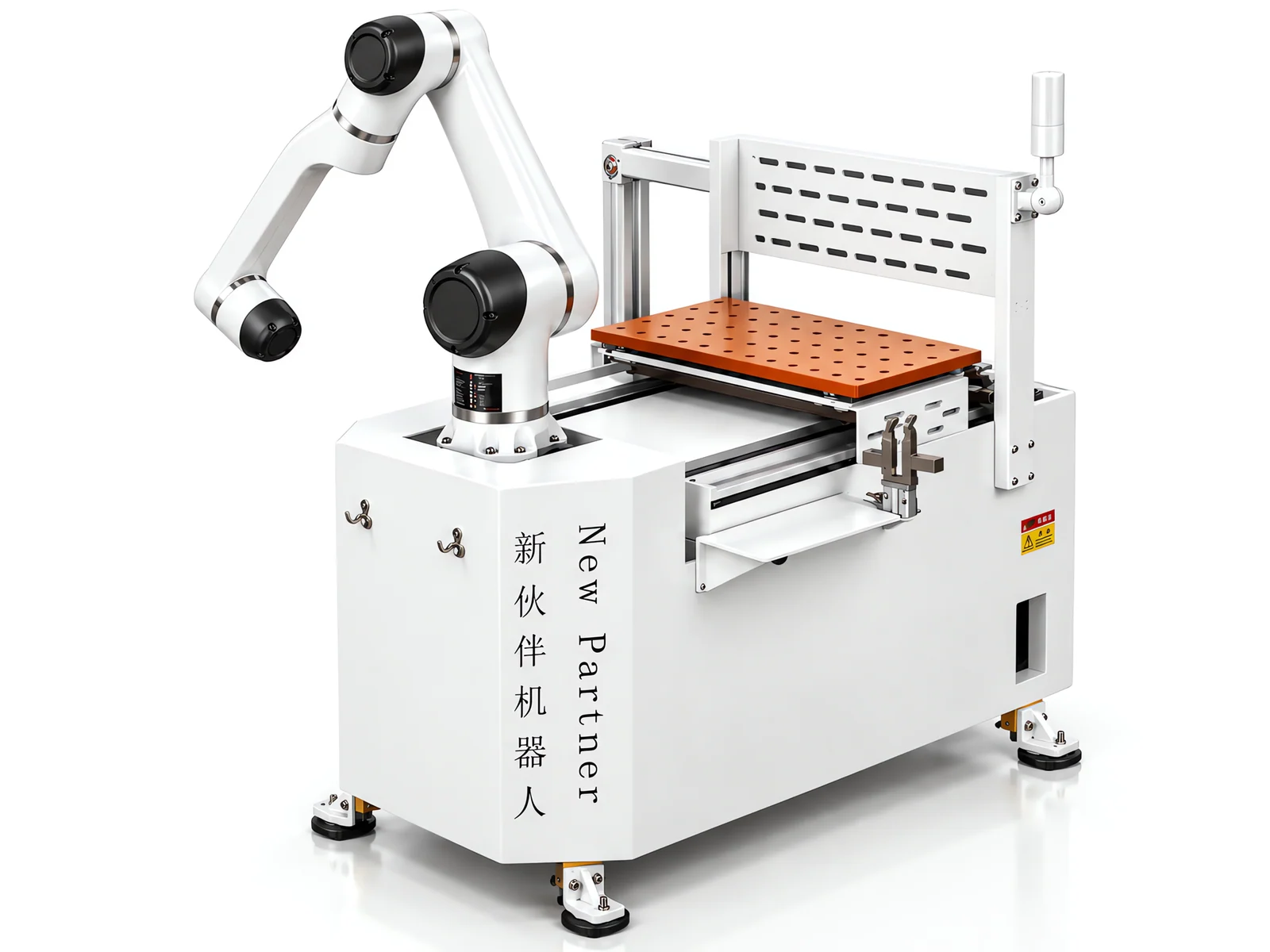
Storage & Automatic Feeding
How long production runs on one refill is decided by the storage magazine.
View solutionVision-Guided Flexible Feeding Cell
No need to place the parts in order first: the camera finds them.
View solution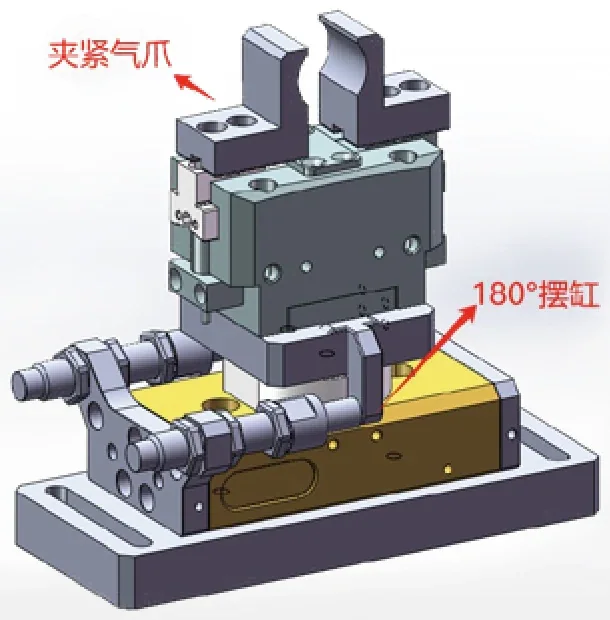
Auto Flip & Second-Op Clamping
The first face is finished, the part is turned over automatically and the second face follows.
View solution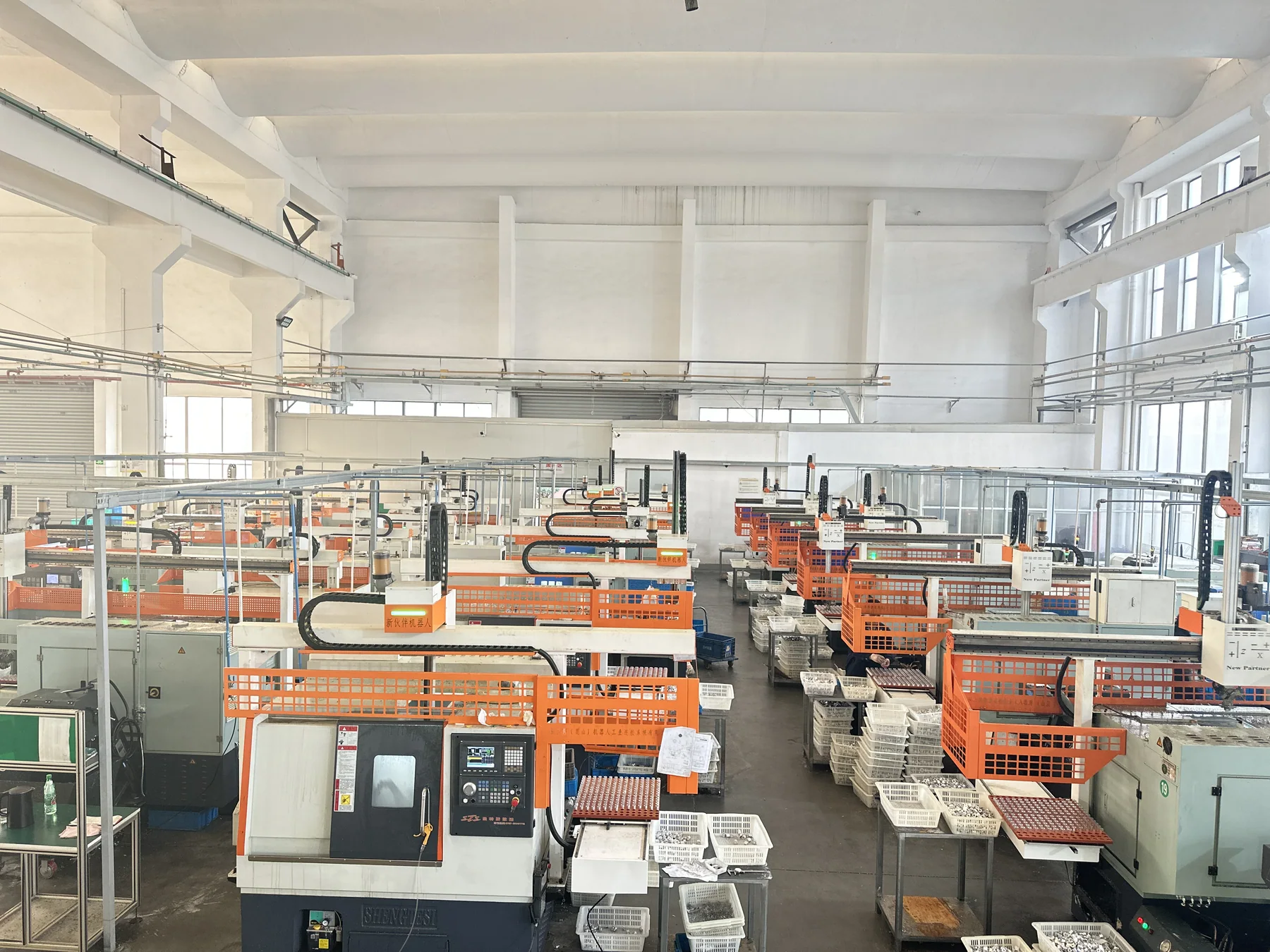
In-Line Post-Machining Inspection
The part is measured as it comes off the machine, so rejects do not reach the next operation.
View solutionPlant-Wide Automation Upgrade
Re-planning the whole machining workshop around the flow of parts, machines and data.
View solutionWork back from the number of machines
The machine count is the most direct selection variable.
1 machine
Single-machine loading and unloading: the smallest investment and the fastest validation.
View details2 machines
A one-to-two cell: a two-machine gantry robot, or one robot placed centrally to serve both machines.
View details3 machines or more
A one-to-three or multi-machine line: gantry multi-machine systems reach an X-axis travel of 7.5 m.
View detailsFix the automation form before the configuration
Single machine, one-to-two, one-to-three and multi-operation lines differ completely in investment and output interval. The form follows machine count, operation count and individual machining times, not budget or brand preference. The three delivered projects below sit on a multi-machine line, pallet feeding and a multi-operation line with flipping.
Tell us the number of machines, the number of operations and the machining time on each, and we will set out a single-machine or multi-machine form with the matching storage configuration.
Send requirements See delivered projectsSend us your workpiece and machine details
Share drawings or photos of the part, the machine make and model, your current daily output and how many operators run it. We reply with a feasibility assessment, the system concept and an implementation recommendation. The assessment is free of charge.