Qiqihar Heavy CNC heavy lathe loading and unloading solution
Qiqihar Heavy CNC heavy lathe loading and unloading: gantry robot or six-axis robot with automated storage and feeding, designed on the part and the cycle.
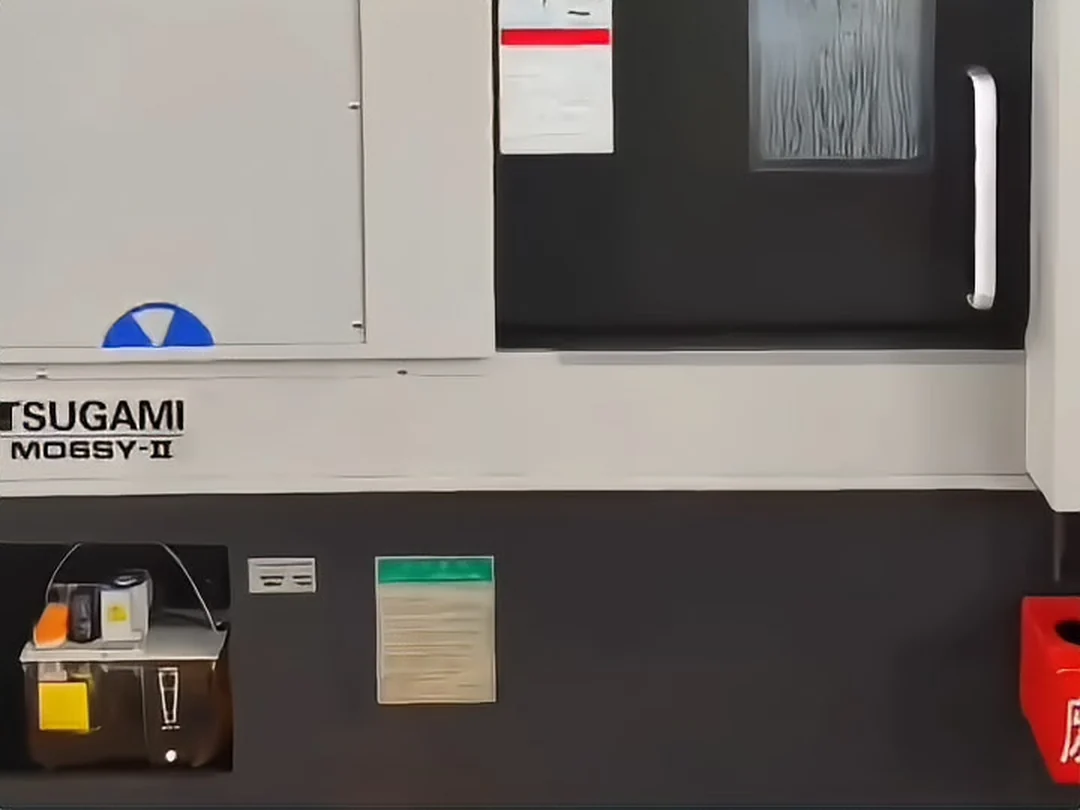
Qiqihar Heavy CNC heavy lathe loading and unloading solution
Qiqihar Heavy CNC heavy lathe loading and unloading: gantry robot or six-axis robot with automated storage and feeding, designed on the part and the cycle.
What Qiqihar Heavy CNC heavy lathe loading and unloading covers
This page covers one machine family: the heavy lathe of Qiqihar Heavy CNC, used where loading, clamping, unloading, part transfer and continuous production are still done by hand.
Qiqihar Heavy CNC Equipment Co., Ltd. is based in Qiqihar, China. Its main models include Heavy CNC horizontal lathes and large turning equipment.
Depending on the machine structure, the part size and weight, the cycle time, the fixture form, the production quantity and the shop layout, a cell can be built from a gantry robot, a six-axis robot, automated part storage, an automatic feeding mechanism, finished-part collection and an inspection unit, joining the manual handling motions into one continuous automatic cycle.
Where machining runs for long stretches, manual repetition has to come out and one operator has to cover several machines, the design has to answer seven questions at the same time:
- How the part is stored
- How the part is fed
- How the robot grips it
- How the machine clamps it
- How it is removed after machining
- How the finished part is collected
- How the next part comes in
Real heavy lathe automation is therefore not one more robot on the floor: the machine, the feeding, the gripping, the fixture, the control and the safety interlocks form one production cell.
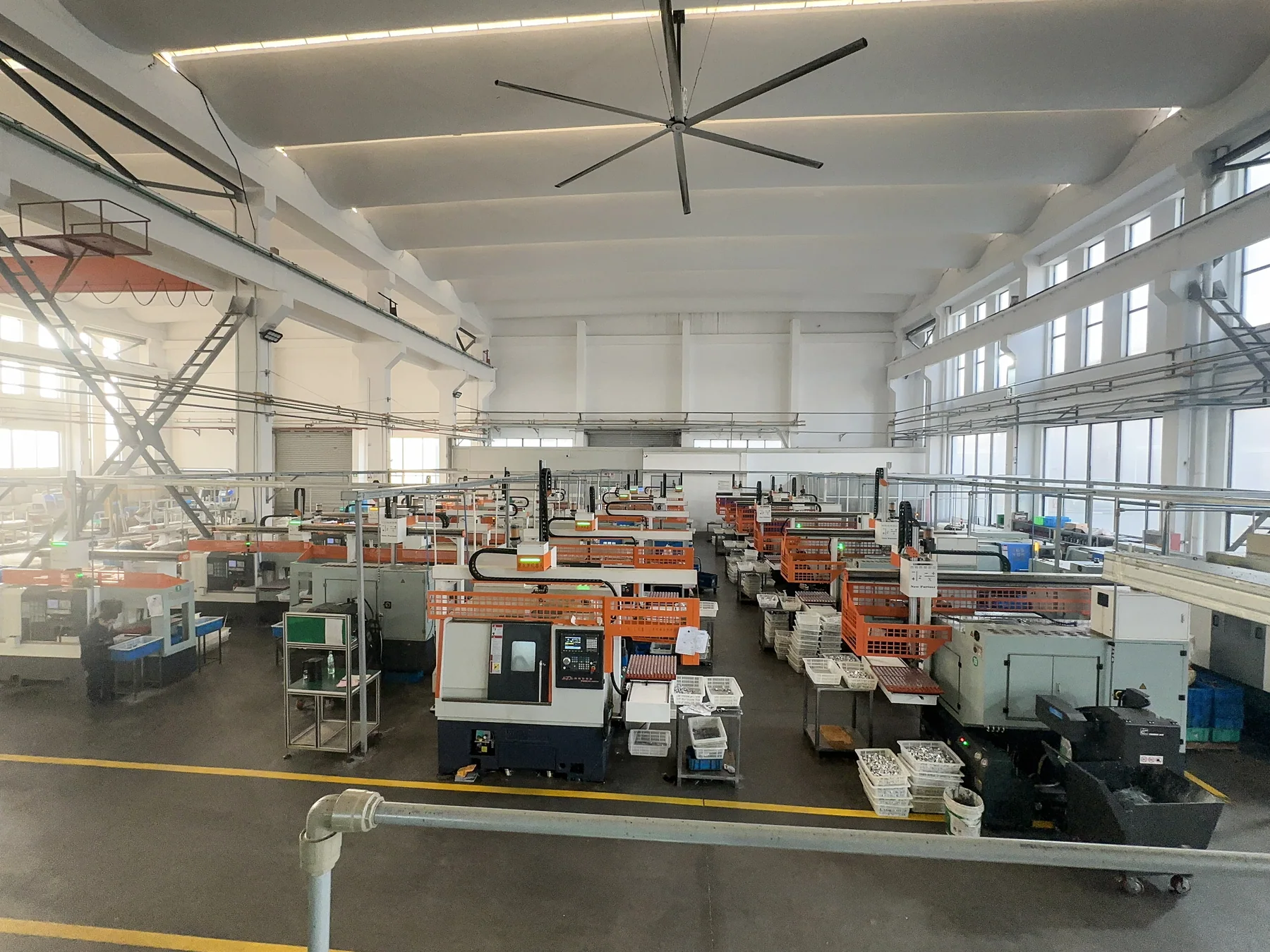
Why a Qiqihar Heavy CNC heavy lathe needs automated loading and unloading
In heavy lathe work, manual loading and unloading usually consists of:
- Lift or pick the blank
- Align the part
- Chuck or faceplate clamping
- Steady-rest adjustment
- Close the guard
- Machining wait
- Unclamp and remove
- Transfer the part
- Prepare the next part
When the cycle is stable, the part range is fairly uniform and the machine runs for long stretches, those repeated motions can be joined by an automation system. The machining characteristic here is a heavy part per piece and long cycles, with clamping and alignment taking a large share of the total time — which is exactly what makes the repeated motions worth fixing.
Taking Qiqihar Heavy CNC as the example: Qiqihar Heavy's heavy horizontal lathes are used for rough and finish turning of large rotational parts, with cycle times measured in hours and a high share of clamping and alignment time. The value of automation shows up as less crane waiting and less manual alignment.
The system does not simply put a robot where an operator stood. It makes the following run in a fixed order:
- Feeding
- Picking
- Clamping
- Machining
- Unloading
- Collection
Add automated part storage and frequent manual replenishment turns into:
- Storage buffer
- Automatic feeding
- Robot picking
- CNC machining
- Finished-part collection
The concept for a Qiqihar Heavy CNC heavy lathe therefore has to be designed from the whole production cycle, not from a robot model number.
How a Qiqihar Heavy CNC heavy lathe loading and unloading system works
A typical automatic cycle can be designed as:
- Large blank in
- Heavy load table or storage buffer
- Part location and alignment
- Heavy gantry or overhead mechanism picks
- Into the Qiqihar Heavy CNC heavy lathe
- Guard opens
- Part loaded into the chuck or faceplate
- Chuck and steady rest clamped
- Machine confirms the clamped state
- Heavy stock removal
- Machining complete
- Unclamp and unload
- Part transferred and inspected
- The next blank enters the cycle
Each of those motions needs its own state confirmation, for example:
- Has the part reached the pick-up position
- Did the heavy mechanism grip reliably
- Are the chuck and the steady rest clamped
- Is rotation of the part safe
- Are the guard and the safety area clear
- Has the machining program finished
- Has the finished part landed safely on the transfer station
The robot or lifting mechanism brings the part in from the front of the chuck or from above, so the part swing diameter, the plant headroom, the floor loading and the opening range of the large guard all have to be confirmed in the design.
The stability of an automatic system comes from the interlocks between those states, not from robot speed alone.
Loading and unloading methods for a Qiqihar Heavy CNC heavy lathe
01 Gantry robot loading and unloading
A gantry robot normally runs on a fixed path. It suits: machines that stay in position and stand in a row, a clear loading path, a fairly stable part range with continuous batches, a defined cycle, and one robot serving several machines. Typical structure: automated part storage → gantry robot → machine → finished-part collection.
02 Six-axis robot loading and unloading
A six-axis robot has a larger working envelope. It suits: handling motions that are complex or need the part flipped, several machines plus an inspection station, a wide part range with frequent changeover, and connecting deburring, washing or inspection. Typical flow: storage → robot → machine → robot → inspection or finished-part area.
03 Automated part storage and feeding
Automated part storage is the link that turns manual bar handling into buffering: blanks queue in the magazine and the robot takes them to the cycle, so replenishment becomes a scheduled batch job instead of a per-part one. It suits sites that want to lengthen the replenishment interval, a fairly uniform part range that can be supplied by tray or basket, night shifts or long unattended stretches, and several lathes sharing one feeding and collection route.
Choosing between them
| Handling unit | Matching feed method | Better suited to |
|---|---|---|
| Gantry robot | Storage magazine plus a fixed feed lane | Machines in rows, stable batches, a defined cycle |
| Six-axis robot | Storage magazine plus trays or baskets | Several part types, several stations, flipping and inspection |
| Gantry robot plus robot | Magazine feeding, robot unloads and sorts | A tight loading cycle where unloading needs separation and sorting |
The handling unit and the feeding method are two separate decisions: they can be chosen independently or combined.
Qiqihar Heavy CNC heavy lathe with automated part storage
Where the shop needs more than automatic handling — where frequent manual replenishment also has to come out — automated part storage is added in front of the machine and the system becomes:
- Storage magazine
- Automatic discharge
- Location
- Robot or gantry
- Qiqihar Heavy CNC heavy lathe
- Machining
- Finished-part collection
The storage magazine can take on:
- Blank storage
- Part buffering
- Automatic feeding
- Part location and selection
- Managing several batches
- Finished-part buffering
- Feeding several machines
One robot, two machines: Qiqihar Heavy CNC heavy lathe
When two Qiqihar Heavy CNC heavy lathes have cycles, part sizes and a layout that suit shared feeding, the following can be designed:
- Storage magazine
- Gantry or robot
- heavy lathe 1
- heavy lathe 2
- Finished-part collection
That forms one multi-machine automation cell. A one-to-two configuration has to be calculated on:
- The cycle time of both machines
- The robot pick-and-place time
- The door opening time of both machines
- The part weight
- The robot payload
- The robot travel
- The distance between the two machines
- The storage capacity
- The scheduling logic when both machines finish at the same time
Not every pair of machines can share one robot. If the two cycles differ widely, or the machines stand too far apart, the robot path, the buffering method and the feeding structure have to be re-assessed.
Three machines and multi-machine lines for Qiqihar Heavy CNC heavy lathes
Extended further, the cell becomes:
- Storage magazine
- Robot
- Machine 1
- Machine 2
- Machine 3
- Inspection
- Finished parts
On a multi-machine line the focus has already moved from loading and unloading to production task scheduling, part buffering, robot path and machine status management. The system has to decide:
- Which machine has finished
- Which machine is waiting for a load
- Which part should go into which machine
- Whether the magazine holds the matching part
- What the robot should do next
- Whether the other machines keep running after one alarms
A third machine is not simply added to the cell: the whole task scheduling and buffering logic has to be redesigned.
Which parts suit Qiqihar Heavy CNC heavy lathe automatic loading
Whether a part suits automated loading is decided by the part first. Across the typical work of a heavy lathe, the common candidates are:
Large rotational parts
- Large shafts
- Large sleeves
- Large discs
- Ring and tyre parts
Discs and flanges
- Large flanges
- Cover plates
- Connecting discs
Heavy equipment parts
- Metallurgy and energy parts
- Engineering machinery parts
- Heavy structural parts
Cast and forged blanks
- Large castings
- Large forgings
- Uneven-stock blanks
Whether a specific part suits automatic loading has to be confirmed on size, weight, shape, material, cycle time, clamping method, locating datum and the pose it arrives in. A name such as "shaft" or "disc" on its own is not a conclusion.
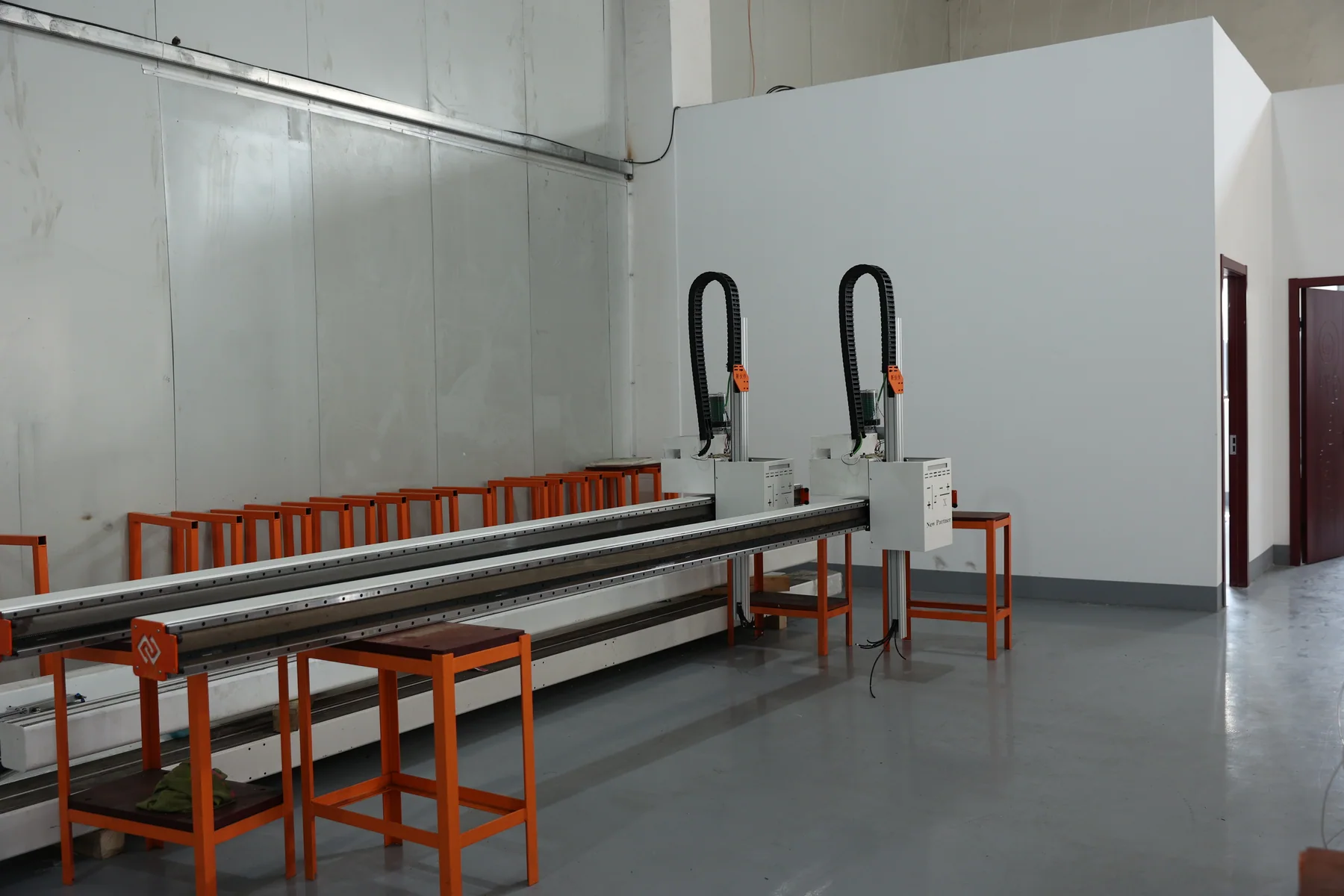
Part characteristics decide the automation method
This is one of the most important layers of the selection. On a heavy lathe:
| Part condition | Design focus |
|---|---|
| Uniform size | Fixed fixture and fixed feeding |
| Small size | Precision location, purpose-made fixture, light-payload gripping |
| Heavy part | Robot payload and fixture load matched to the chuck size |
| Several sizes | Changeable fixture, configurable trays, recipe management |
| Fixed incoming orientation | Mechanical location |
| Random incoming orientation | Vision recognition / flexible feeding |
| Needs the other face machined | Robot flipping or a purpose-made flipping mechanism |
| Several operations | Transfer between operations by robot |
| Judgement needed after machining | Automatic inspection plus OK / NG sorting |
| Long continuous production | Automated part storage plus automatic feeding |
The concept therefore starts from the part, not from a robot model number.
How Qiqihar Heavy CNC heavy lathe loading solves clamping
In automated loading the machine fixture is a critical link. On a heavy lathe the clamping form is the chuck or faceplate, and the system has to consider:
- Chuck or faceplate type and size
- Purpose-made tooling and clamping method
- Part alignment datum
- Steady-rest type and support position
- Clamp confirmation signal
- Safe swing radius of the part
- Guard and safety area
- Chip and coolant discharge
Typical working cycle:
- Heavy mechanism picks the part
- Enters above the work area
- Part located and aligned
- Multi-point tooling clamped
- Clamping and locking confirmed
- Heavy mechanism withdraws to the safety area
- Machine starts machining
- Unclamp and clean
The machine only moves to the next state after clamping is confirmed, and on a large part the rotation check has to pass first. Chip volume is high, and residue on the work surface affects alignment. Automated loading is therefore not simply "pick it up and put it in".
Automatic inspection after machining
Where the project needs an in-process quality decision, an inspection unit can be added after the heavy lathe, configured to the requirement:
- Present / absent
- Dimensions
- Appearance
- Bore and bore position
- Orientation
- Burr and defect
- Character recognition
- Barcode recognition
Forming:
- Qiqihar Heavy CNC heavy lathe
- Automatic unloading
- Vision or dimensional inspection
- OK to the finished-parts area
- NG to the reject area
The line then runs from automatic machining to automatic machining plus automatic judgement plus automatic sorting. On this site the corresponding line is 08 Vision Inspection Systems.
When a gantry fits, and when a robot fits
Neither option is automatically better; the shop decides.
| Item | Heavy gantry robot | Heavy robot |
|---|---|---|
| Path | Fixed long-travel path | Multi-joint flexible path |
| Load capacity | Suits heavy loads over long spans | Limited by both reach and payload |
| Spatial motion | Linear X / Y / Z axes | Multi-joint motion |
| Flipping and indexing | Needs a purpose-designed flipping mechanism | More flexible, can work with a floor positioner |
| Safety requirement | Needs the whole span isolated | Safety areas can be zoned |
| Typical case | Similar heavy parts in continuous batches | Several sizes, several stations, alignment and inspection |
The final choice also depends on the plant headroom, the floor loading, the part weight and shape, the cycle, the beam length, the number of machines and the safety area.
What a Qiqihar Heavy CNC heavy lathe project needs to be quoted
For an automation retrofit, prepare the following before the first review:
Part
- Part name
- Part photo
- Length
- Diameter
- Height
- Weight
- Material
- Incoming condition
Machining
- Cycle time
- Machining program
- Machining time per part
- Daily output
- Monthly output
- Number of operations
Machine
- Qiqihar Heavy CNC model
- Number of machines
- Chuck or faceplate size
- Maximum swing diameter
- Maximum part weight
- Maximum turning length
- Machine door width and plant headroom
- Machine layout
Automation
- Gantry or robot
- Automated part storage
- Flipping
- Vision
- Inspection
- Multi-machine line
- MES
Site
- Plant size
- Machine positions
- Safety area
- Loading and unloading space
- Walkways
The more complete these documents are, the closer the concept is to the real job.
Qiqihar Heavy CNC heavy lathe loading: implementation focus
A project lands on the shop floor when these are verified:
01 Part location
Whether the part reaches the pick-up position reliably.
02 Fixture
Whether the robot gripper holds parts in different states reliably.
03 Machine interface
Whether the robot and the machine exchange run states reliably.
04 Cycle time
Whether the robot cycle matches the machine cycle.
05 Exception handling
How the system pauses, resets and recovers from a failed pick, a machine alarm or a part that is not in position.
06 Safety
Safety door, light curtain, safety area, emergency stop, robot safety and the human-robot boundary.
07 Manual takeover
Whether an operator can step in quickly when the automation trips.
A stable automatic system is not only one that completes its motions in normal running: it is one that recovers safely and in a controlled way from an abnormal state.
Which business lines this page connects to
A Qiqihar Heavy CNC heavy lathe loading page does not stand alone; it sits inside the wider automation system. The lines below are upstream or parallel to it, and each one links to a page that exists on this site.
Together they form the complete chain:
- Storage magazine
- Gantry or robot
- Qiqihar Heavy CNC heavy lathe
- Automatic inspection
- MES
Qiqihar Heavy CNC heavy lathe loading and unloading: common questions
Can Qiqihar Heavy CNC heavy lathes be loaded and unloaded automatically?
Whether a machine can be converted has to be confirmed against the specific model, the door width, the chuck or faceplate, the machining space, the part size and weight and the shop layout. A site survey is carried out before the design.
Qiqihar Heavy CNC heavy lathe loading: robot or gantry?
A gantry robot can be assessed when the machines stand in a row, the loading path is clear and the batch is stable; a six-axis robot is assessed first when the part has to be flipped, moved between stations or run as a mixed-part cell.
Can Qiqihar Heavy CNC heavy lathes work with automated part storage?
Storage can be assessed against the part, the number of parts to be stored, the machine cycle and the available space. Capacity is calculated from the capacity per layer, the number of usable layers and the machining cycle — a fixed unattended running time is not promised.
Can one cell serve two Qiqihar Heavy CNC heavy lathes?
A one-to-two configuration can be designed, but it has to be calculated on the cycle time of both machines, the door or exchange time, the pick-and-place time, the part weight, the robot travel and the distance between the machines.
Can Qiqihar Heavy CNC heavy lathes run unattended?
Where part feeding, robot pick and place, the machine interface, the fixture, safety and exception recovery all meet the requirement, a continuously running automatic cell can be designed. The real degree of unattended running is confirmed per project.
What do you need for a Qiqihar Heavy CNC heavy lathe loading project?
Start with the machine model, the part drawing or photos, part size and weight, the cycle time, the chuck or faceplate and fixture information, the number of machines and the shop layout.
Do heavy parts need the machine itself modified?
Not normally: the work is on the loading mechanism, the tooling and the interface. Load capacity, floor loading, headroom and guard space are what has to be verified on a heavy lathe, and the machine structure is only touched when the survey says it is necessary.
Project case information
Machine brand
as in the page title
Machine model
to be filled from the project record
Automation form
gantry robot / six-axis robot — from the project record
Part
to be filled from the project record
Part size / weight
measured data
Number of machines
measured data
Storage method
measured data
Cycle time
measured data
Inspection method
measured data
Project site
project material
These fields are kept as placeholders in the company's own format: nothing that has not been confirmed by project documents is written on the page. This page describes how loading and unloading is engineered for this machine family and brand line — it is not a claim that a project has been delivered on this machine. If you run machines of this brand, contact us to add real project information.
Note The brand and model information on this page comes from the company's own material and is used to explain the differences in automation fit between machine families, series and models. A brand name does not mean agency, authorization, certification or partnership, and does not mean that a project has been completed on a machine of that brand. Whether a specific model can be loaded and unloaded automatically has to be confirmed on site against the chuck, the door and guard structure, the fixture type and the layout.
What this page is really saying
A Qiqihar Heavy CNC heavy lathe can be organised around part feeding, automatic gripping, machine clamping, machining, unloading, inspection and finished-part collection into one complete automatic production cell. Whether that cell uses a gantry robot, a six-axis robot or automated part storage has to be designed around the part, the cycle, the number of machines and the shop layout.
Where to continue
Send the machine brand/model, part drawing or photo, blank and finished-part handling, single or multi-machine layout, target cycle and acceptance requirements.
Request an assessment Call +86 150 5020 2625